Sportmonks Blogs

Read the latest Sportmonks blogs.

We post blogs about what we are doing, new products, new product features and much more.

Formula 1

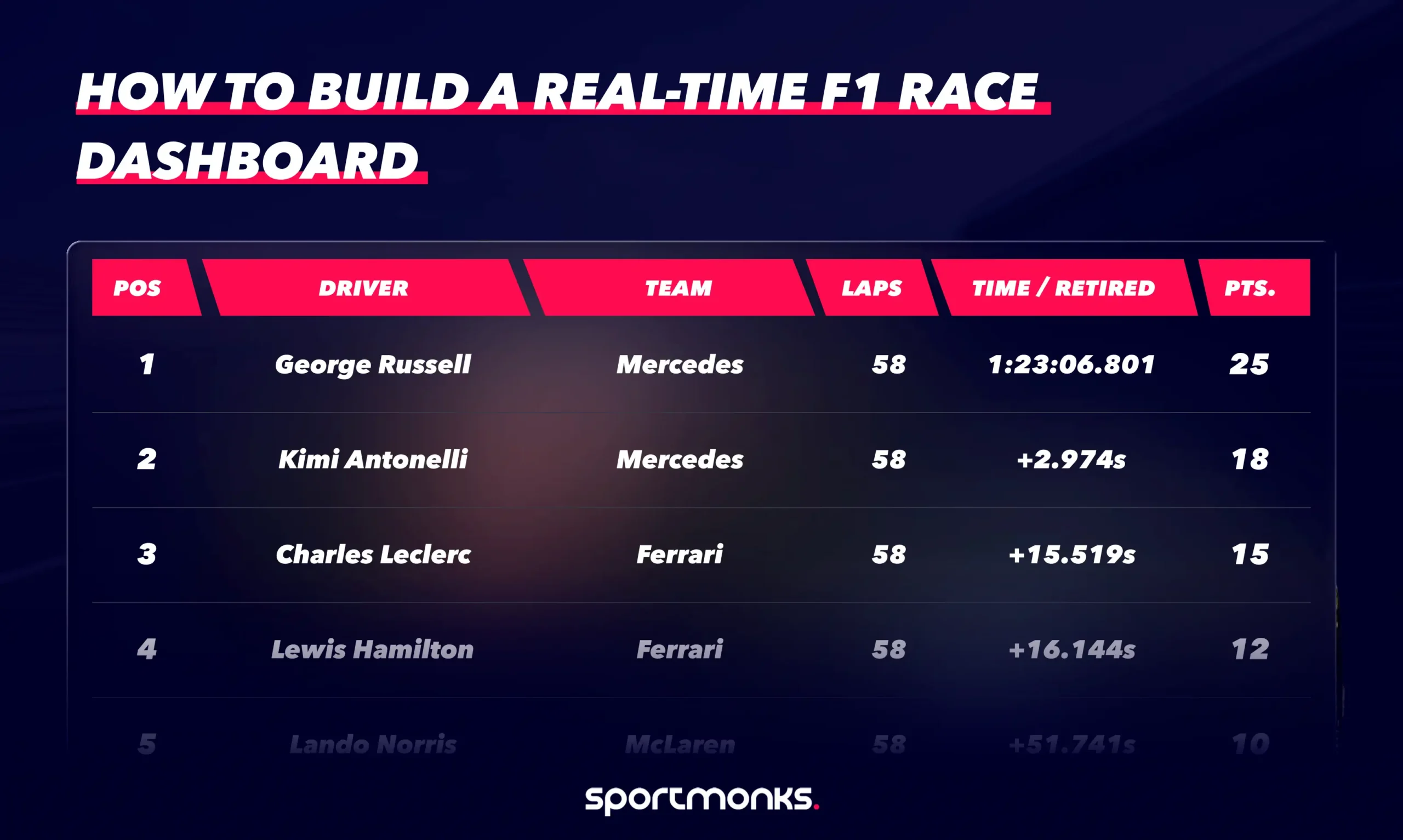
How to build a real-time F1 race dashboard

Formula 1 produces more live data than almost any other sport. Every lap generates sector splits, tyre degradation signals, pit-stop timing, and position changes across 20 drivers pushing machinery beyond 300 km/h. Teams analyse that telemetry in real time during the race. Broadcasters surface parts of it through graphics. Developers increasingly want access to that same data stream. Real-time race dashboards are now one of the most common applications built on motorsport APIs. They power live timing tools, strategy visualisers, fantasy F1 platforms, and race companion apps. With the Sportmonks Motorsport API v3, building one is surprisingly straightforward. The API provides structured Formula 1 data through a REST interface returning JSON responses, covering live race updates, lap timing, pit stops, and detailed telemetry. This guide walks through the architecture behind a race dashboard, the key data layers involved, and how to retrieve them using the Sportmonks API. If you’re new to the ecosystem, start with The beginner’s guide to the Sportmonks Motorsport API, which explains the API’s core concepts and how motorsport data differs from other sports datasets.

Time to read 11 min
Published March 25, 2026
Last updated March 25, 2026

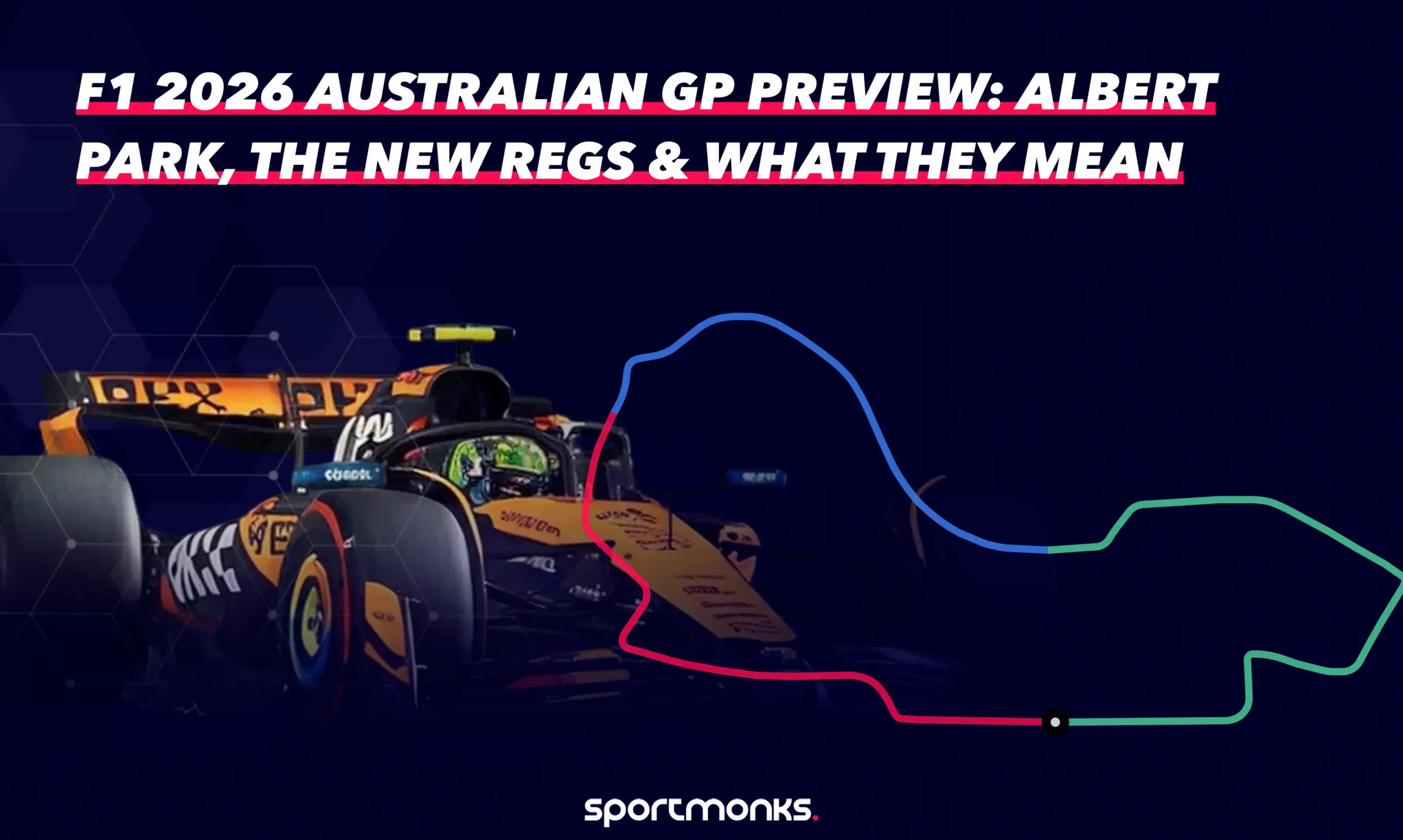
F1 2026 Australian GP Preview: Albert Park, the new regs & what they mean

The 2026 Formula 1 season kicks off at the Australian Grand Prix at Melbourne’s Albert Park Circuit from 6–8 March 2026, with the main race on 8 March. It remains the season opener on the 5.303 km temporary street circuit. This year brings one of the biggest regulatory overhauls in modern F1, with new hybrid power units that drop the MGU-H and rebalance power delivery, and cars designed to be smaller, lighter and more sustainable. The drag reduction system (DRS) used since 2011 has been removed, replaced by new active aerodynamics and Overtake Mode for overtaking and strategic boosts. The grid features 11 teams, including the new Cadillac team and Audi as a works entry, joining established manufacturers. This isn’t a typical season opener, but a first look at how teams adapt to the new engine, aero and energy regulations in real racing conditions.

Time to read 7 min
Published March 25, 2026
Last updated March 25, 2026

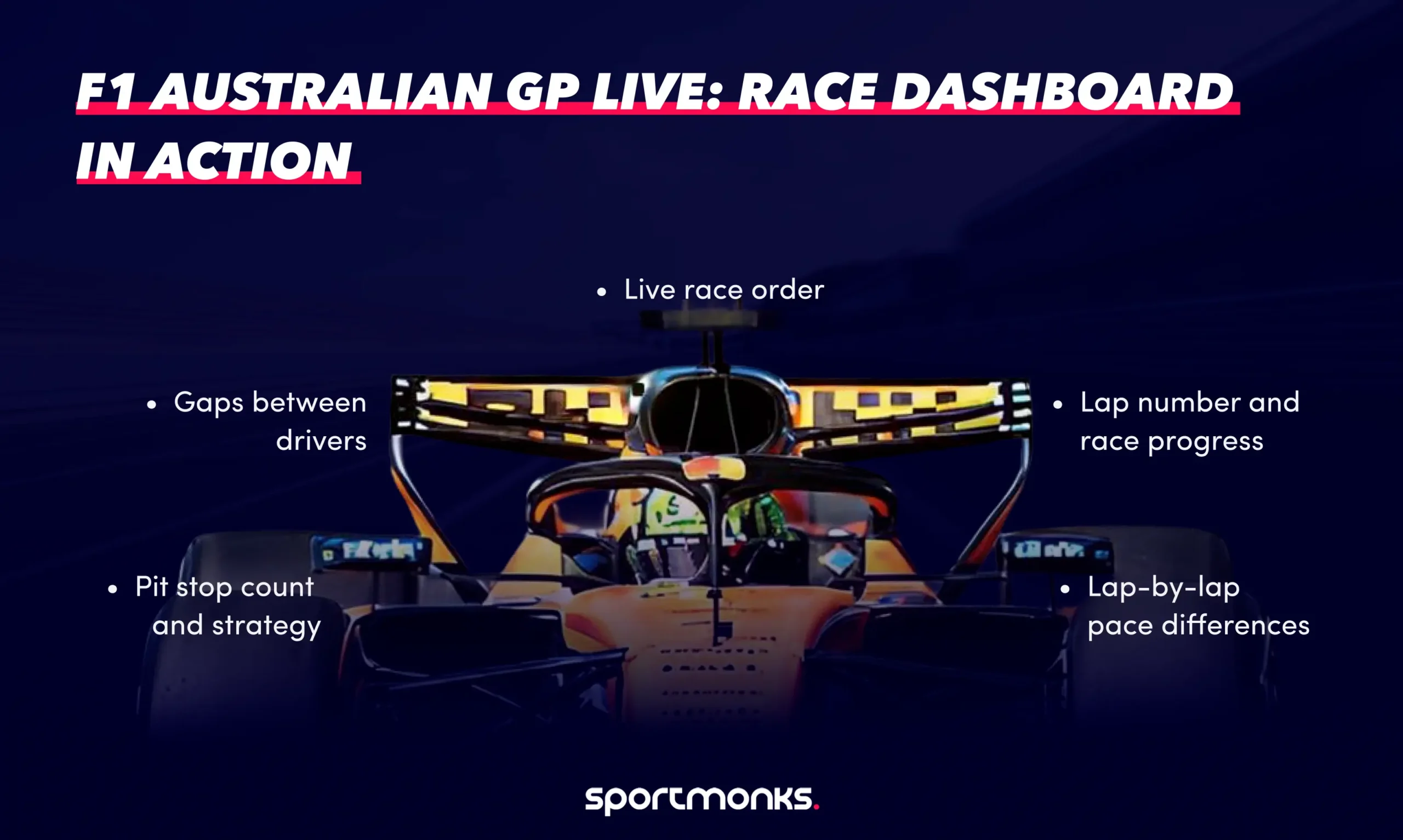
F1 Australian GP LIVE: Race Dashboard in Action

The first race of a new Formula 1 season always answers questions. The 2026 Australian Grand Prix did more than that. It exposed how quickly the competitive order can shift under new regulations, how strategy decisions still decide races, and how much information is available in real time if you know where to look. George Russell won the race for Mercedes, leading home a 1–2 finish ahead of Kimi Antonelli, with Charles Leclerc completing the podium. But the result only tells part of the story. Behind it was a race shaped by early position changes, Virtual Safety Car timing, and a split between one-stop and two-stop strategies. This is exactly the kind of race where a real-time dashboard becomes essential.

Time to read 7 min
Published March 19, 2026
Last updated March 19, 2026
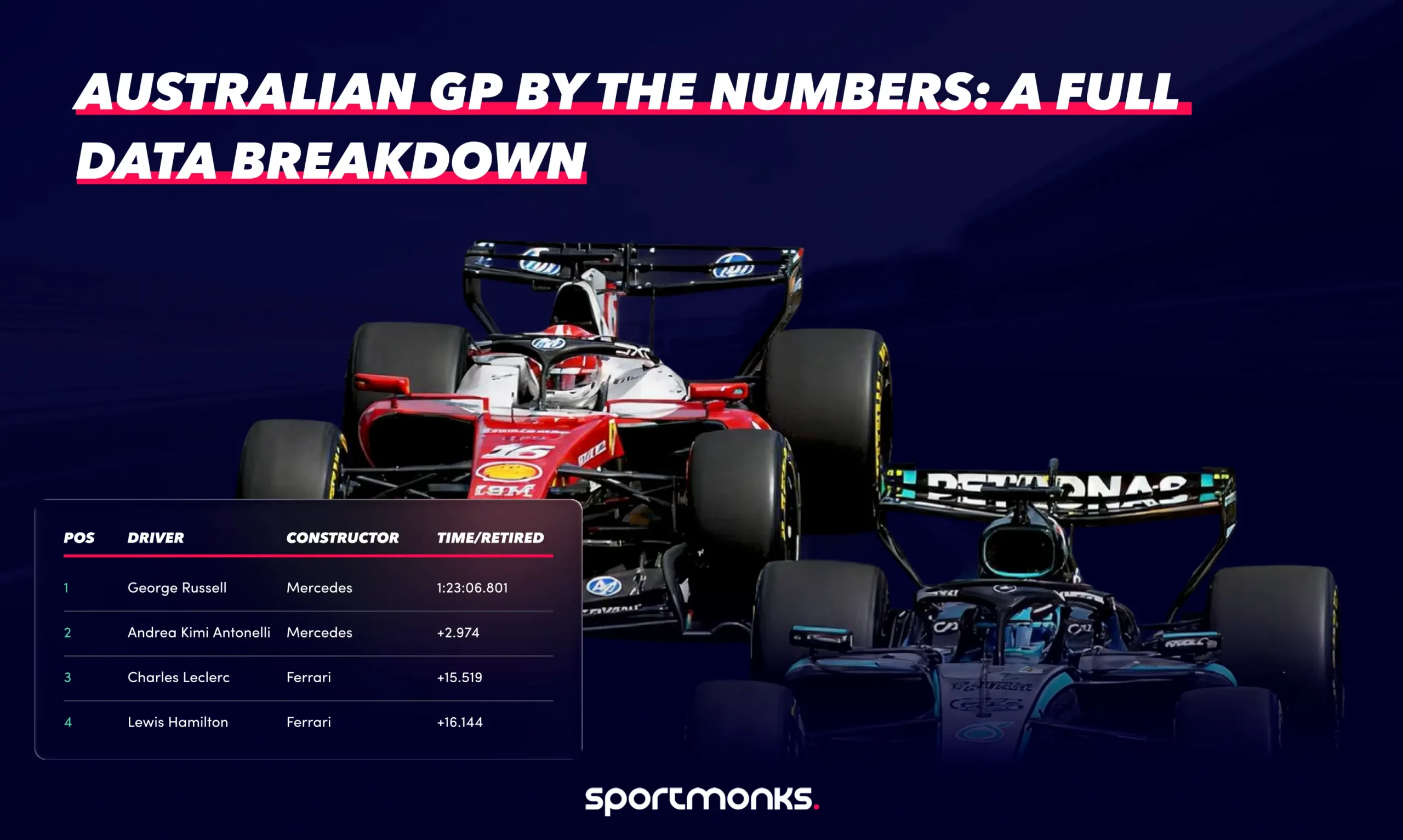
Australian GP by the Numbers: A Full Data Breakdown

The first race of a new Formula 1 season is always about uncertainty. New regulations. New power units. New competitive order. The 2026 Australian Grand Prix delivered answers, but more importantly, it produced data. A full race distance, 58 laps at Albert Park, where strategy, pace, and timing combined to define the opening shape of the season. George Russell won the race for Mercedes in 1:23:06.801, leading home a 1–2 finish ahead of Kimi Antonelli, with Charles Leclerc completing the podium. But the numbers behind that result tell the real story.

Time to read 7 min
Published March 19, 2026
Last updated March 26, 2026
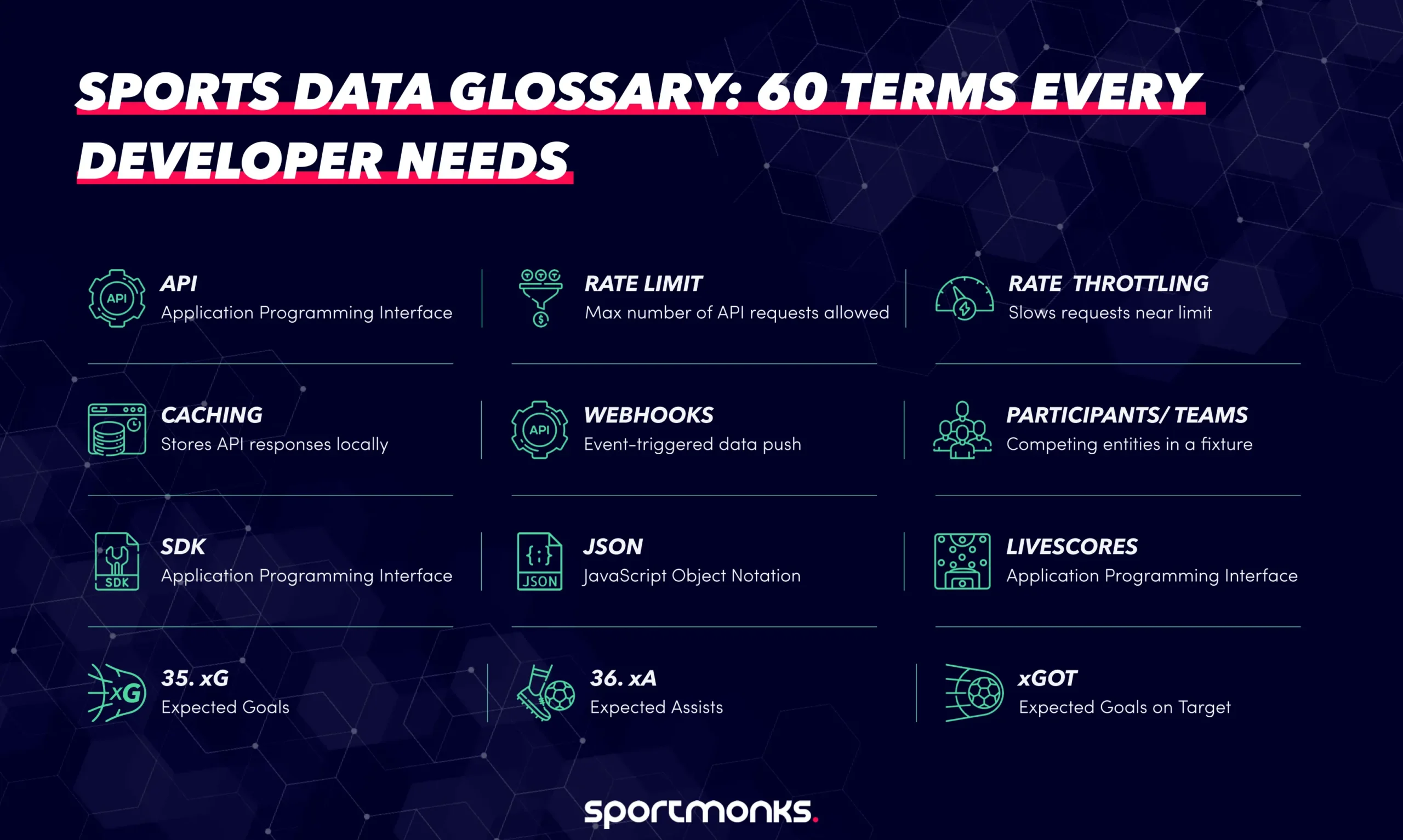
Sports data glossary: 60 terms every developer needs

Building with sports data means navigating two vocabularies at once. On one side, you have the sports world: fixtures, standings, expected goals, clean sheets, handicaps. On the other hand, you have the API layer: endpoints, rate limits, pagination, webhooks, and caching. Misunderstanding a term on either side can mean hours of debugging, mismodeled data, or an app that doesn’t behave the way it should.

Time to read 12 min
Published February 23, 2026
Last updated February 23, 2026
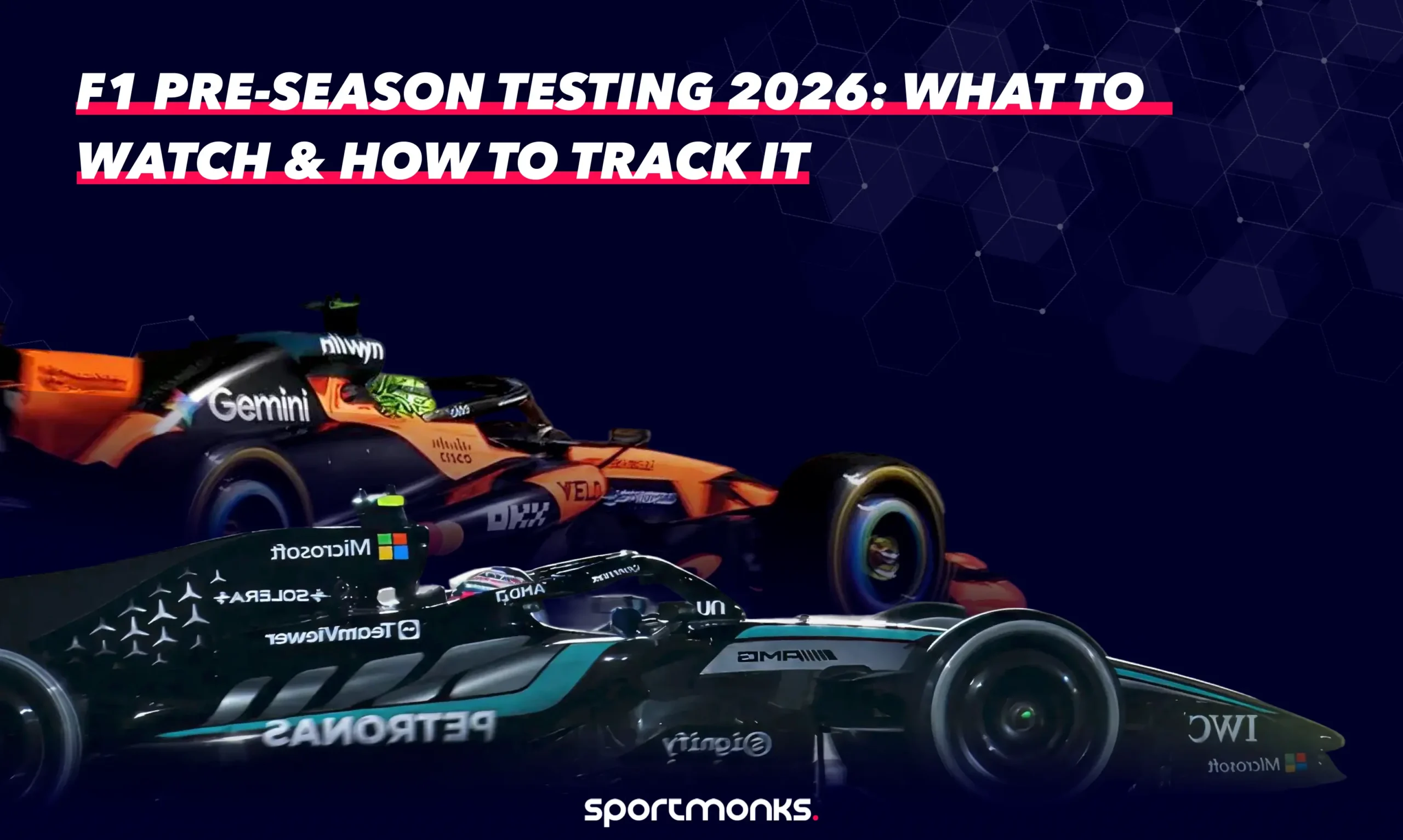
F1 Pre-season testing 2026: What to watch & how to track it

Pre-season testing is one of the most data-rich moments in the Formula 1 calendar. It’s where teams run their new machinery for the first time in competitive conditions, lap counts accumulate, and the first real signals emerge about who has built a strong car and who hasn’t. The 2026 season makes pre-season testing even more significant than usual. With wholesale changes to power units, aerodynamics, overtaking systems, and car dimensions all coming into effect simultaneously, no team has any historical baseline to fall back on. Everyone is starting from zero, and those 11 days of testing before Australia are the only data they get. This guide covers the full 2026 pre-season testing schedule, what to pay attention to across each session, and how to use the Sportmonks Motorsport API v3 to pull, track, and build with the data as it comes in.

Time to read 13 min
Published February 19, 2026
Last updated February 19, 2026